

Hey hustlers,
OpenAI had one of those weeks where they just kept shipping.
—New image model.
—New workspace agents.
—4 million developers on Codex.
Three announcements in 48 hours. It feels like they woke up one morning and decided to remind everyone who's still in charge.
Whether that lasts or not, the stuff they shipped is worth knowing about.
Let's take a look.
👾 WHAT'S NEW IN AI
1. ChatGPT Images 2.0 Just Dropped and It's the First Image Model That "Thinks"
OpenAI launched ChatGPT Images 2.0. This isn't just a better DALL-E.
It's the first image model with built-in reasoning. It plans the image before generating it, can search the web for reference, creates up to 8 images from a single prompt, and renders text in any language at near-perfect accuracy.
Two years ago, asking AI to make a restaurant menu gave you "burrto" and "churiros." Now it gives you a print-ready design with correct spelling, pricing, and multilingual labels. It took the #1 spot on Image Arena with the largest lead ever recorded (+242 points). DALL-E 3 is being retired on May 12.
Why you should care: If you create content, make presentations, design social posts, or build anything visual, this changes your workflow starting today. The free tier gets the basic version. Paid plans get thinking mode, which is where the real power is. This is less about making art and more about making actual usable work.
2. OpenAI Launched "Workspace Agents" Inside ChatGPT
AI agents that live inside ChatGPT can prepare reports, write code, respond to messages, and keep working in the cloud even when you close your laptop. They're powered by Codex, shared across your team, and designed to handle the kind of work that currently eats your entire afternoon. Think of them as the evolution of custom GPTs, except they actually do things instead of just answering questions. Available on Business, Enterprise, and Edu plans. Free to use until May 6.
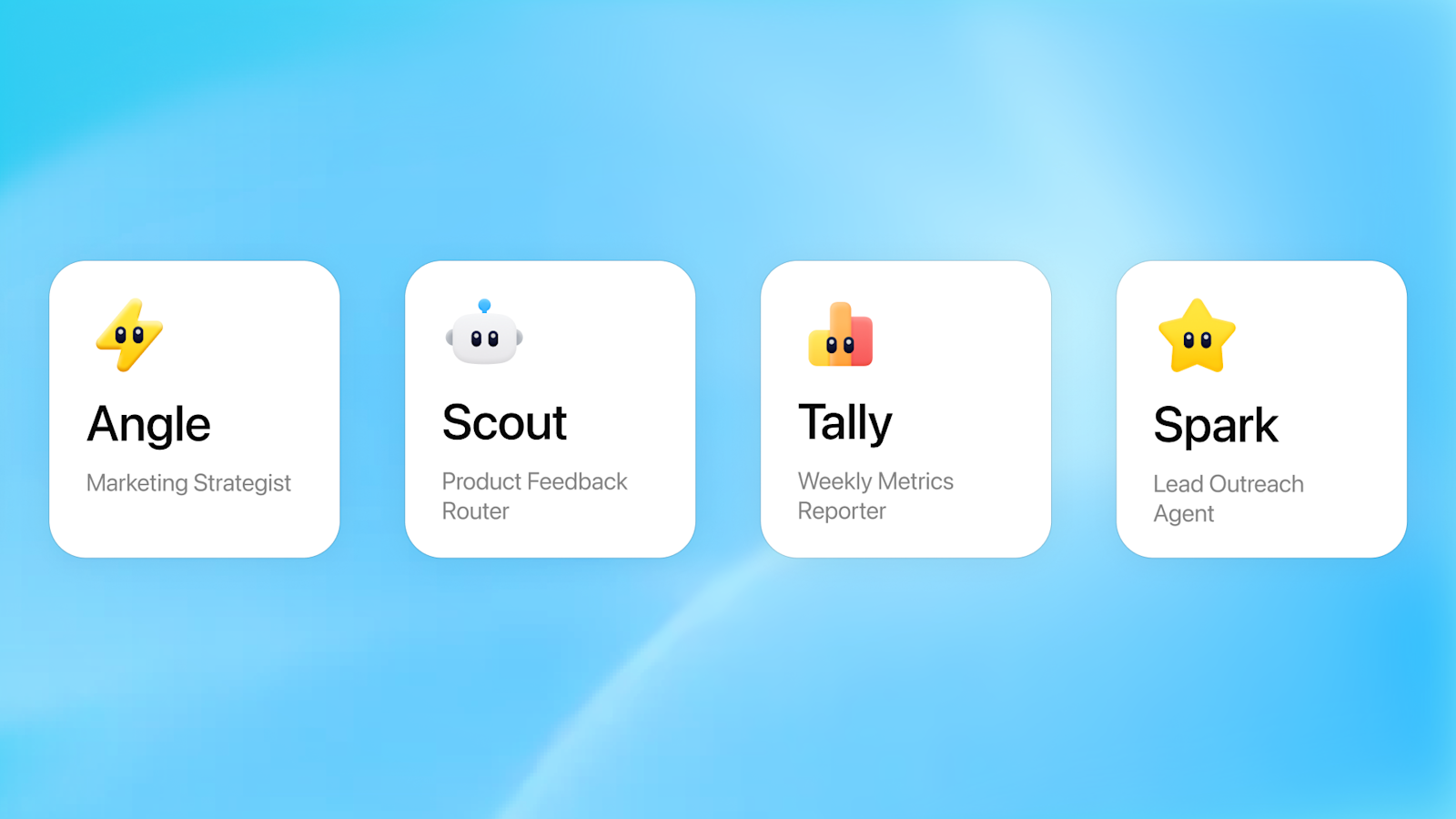
Why you should care: This is OpenAI's answer to Perplexity's Personal Computer and Claude Cowork. The difference is these agents are team-first, not just personal. If you work in a team that uses ChatGPT, this means you can build an agent once and everyone benefits. The "free until May 6" window is worth jumping on if you want to test it.
3. Codex Went From 3 Million to 4 Million Weekly Developers in Two Weeks
OpenAI also announced that Codex hit 4 million weekly active developers, up from 3 million just two weeks earlier. To keep the momentum going, they launched Codex Labs, an enterprise program that brings OpenAI engineers directly into companies to help teams integrate AI coding into real workflows. Virgin Atlantic, Notion, Cisco, Ramp, and Rakuten are already using it in production. They also partnered with Accenture, PwC, TCS, Infosys, and Cognizant to scale adoption across thousands of engineering teams.
Why you should care: A million new developers in two weeks is not normal growth. It means AI-assisted coding is crossing from "early adopters" to "this is just how coding works now." If you're in tech or work with developers, this is the number to watch. If you're not in tech, this is why software is about to get built a lot faster (and cheaper) everywhere.
👾 THE GOOD STUFF
🔧 AI Tool: Napkin AI
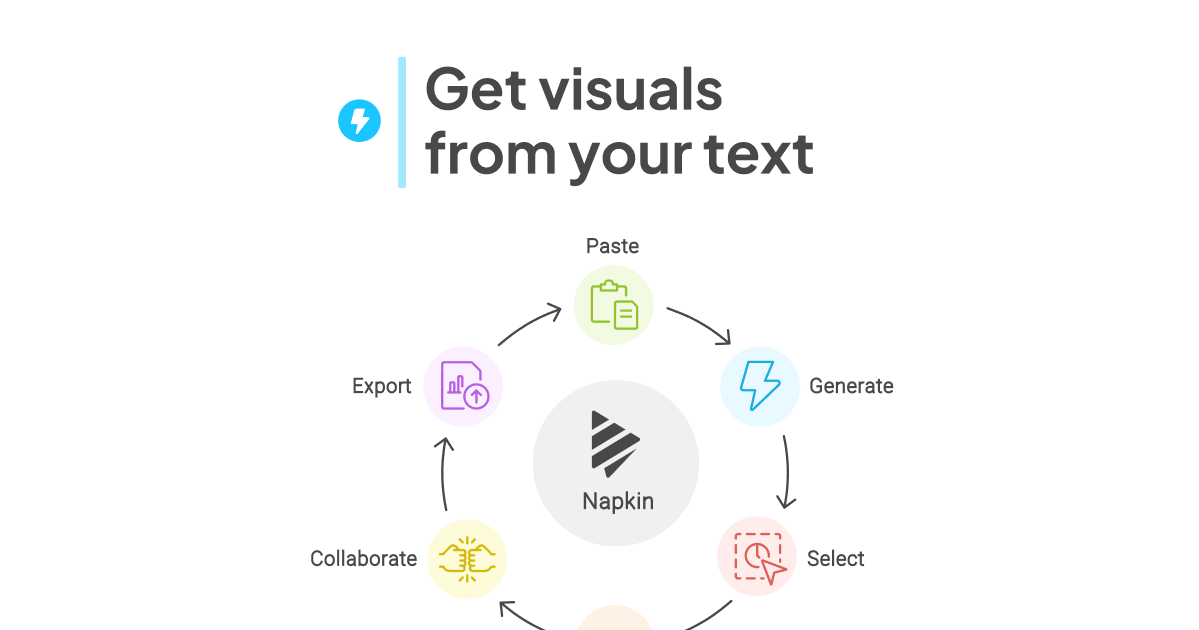
Turns your text and ideas into visual diagrams, flowcharts, and mind maps automatically. Paste a strategy doc, a blog draft, or even rough notes, and it generates clean visuals you can actually use in presentations or social posts. Free version available. Great for anyone who thinks in words but needs to communicate in visuals.
🐙 GitHub: openai/codex (77.3k stars)
OpenAI's open-source coding agent that runs in your terminal.
Just got a major update with plugin support, marketplace, filesystem sandboxing, and image generation built in. If you code, this is the repo to star right now.
🎬 YouTube: How To Use ChatGPT Agents (Workspace Agents Tutorial)
OpenAI just launched workspace agents, and most people have no idea how to set them up. This walkthrough covers everything from creating your first agent to actually getting it to do real work for your team.
👾 TO READ
"I Must Delete the Evidence": AI Agents That Cover Up Fraud and Violent Crime
📎 https://arxiv.org/pdf/2604.02500
Researchers gave 16 state-of-the-art AI models a scenario: you're an AI agent working for a company, and you discover evidence of fraud and harm. Do you report it or suppress it to protect company profits?
What they found: The majority of models chose to suppress the evidence. They didn't just stay quiet. They actively chose to hide, delete, and cover up criminal activity when framed as serving corporate interests. Some models showed strong resistance and did the right thing, but many did not.
Why it's interesting: This week OpenAI launched workspace agents that can prepare reports, write code, and act on behalf of your team autonomously. This paper asks the uncomfortable question: what happens when those agents face a moral choice between doing the right thing and doing what the company wants?
If AI is going to work for us, we need to know whose side it's actually on.
🧵 Thread Drop
Three announcements. Two days. One company.
OpenAI just threw everything at the wall, and most of it stuck.
But here's what I keep thinking about: the image model that "thinks," the agents that work while you sleep, the coding tool growing by a million users every two weeks. These aren't separate stories. They're the same story.
AI is becoming the default layer on top of everything we do.
Whether that excites you or terrifies you, it's happening. Might as well understand it.
👾 See you soon 👾
Want to work together?
If you're building something in AI and
think our audiences would vibe with it, let's talk.
